
Regional work is paid work in certain industries and areas of Australia that you do to qualify for another Working Holiday visa. Home Affairs calls it “specified work”. On an Irish passport you need 88 days (3 months) of it for a second 417 visa, and 179 days (6 months) for a third.
Doing your regional work is always a stressful time. I first put this guide together back in 2014 and have kept it updated since. Every rule below was checked with Home Affairs and Fair Work in October 2026.
It’s one of those things backpackers will tell you they had a great experience doing, but will never do again. Unless you get particularly lucky and love your job. So it’s best you know what you’re in for and make the most of it.
Short version
- What it is: paid work in a “specified” industry and an eligible postcode, done on your current Working Holiday visa.
- How much: 88 calendar days (3 months) for a second visa. 179 calendar days (6 months) for a third, done on your second visa.
- Industries: farm work, fishing, tree farming, mining and construction in regional Australia, hospitality in the north and remote areas, and disaster recovery.
- Postcodes: all of South Australia, Tasmania and the Northern Territory count. Sydney 2000, Melbourne 3000 and Brisbane 4000 aren’t on the regional list.
- Counting: full-time work counts the weekends in between. Part-time takes longer, and nobody finishes in under 3 calendar months.
- Cost: AUD 1,000 for a second or third visa (from 1 July 2026).
- Pay: at least $32.18 an hour for a casual picker starting out under the Horticulture Award (from 1 July 2026), even on piece rates. Never pay anyone for a job.
- Ballot: announced in September 2026, not law yet. The current rules still apply.
Sort these two first
Find the work: the Irish Around Oz job board has a Farm, Regional & Visa Jobs category, and the Irish Around Oz Jobs group has regional work posted most weeks.
Get covered: farm work is where people get hurt. True Traveller covers farm work and fruit picking with its Adventure Pack, and you can buy it after you’ve left Ireland.

The joys of it!
What counts as regional work (specified work)?
It needs the right industry in the right place. Farm work in a Sydney suburb doesn’t count, and neither does a shop job in a country town. All specified work must be paid in line with Australian law and awards, except volunteer bushfire or disaster recovery work.
| Industry | Where it counts |
|---|---|
| Plant and animal cultivation: picking, packing, pruning commercial crops, dairy, cattle, shearing | Regional Australia |
| Fishing and pearling | Regional Australia |
| Tree farming and felling | Regional Australia |
| Mining, including support and cleaning services | Regional Australia |
| Construction, including scaffolding, painting new buildings, support and cleaning | Regional Australia |
| Tourism and hospitality: hostels, hotels, cafes, pubs, tour guides, dive instructors | Northern Australia, Remote and Very Remote Australia, and postcodes 4406, 4416, 4498 and 7215. Work from 22 June 2021. |
| Bushfire recovery, paid or volunteer | Declared bushfire areas. Work after 31 July 2019. |
| Flood, cyclone and severe weather recovery, paid or volunteer | Declared natural disaster areas. Work after 31 December 2021. |
| Critical COVID-19 work in healthcare and medical sectors | Anywhere in Australia, after 31 January 2020 |
Home Affairs is also “temporarily applying flexibility”, so admin or cleaning that supports a specified industry in an eligible postcode may be accepted.
What doesn’t count
- General garden maintenance.
- Secondary processing: winemaking, brewing, distilling, milling, small goods, and retail dairy or butcher work.
- Unpaid work, like WWOOFing for bed and board.
- Hospitality outside the hospitality areas. A bar job in Byron Bay (2481) doesn’t count, even though farm work there does.
Does FIFO count as regional work?
Home Affairs doesn’t mention fly-in fly-out work by name. It says the work must “take place in an eligible postcode”, so it’s the postcode of the mine or site that matters, not where you fly from. Rosters can count too: if your full-time contract is 2 weeks on and 2 weeks off, that’s standard in the industry, and you’re paid for the whole period, Home Affairs says all 28 days can count. Keep your contract.
Who has to do it?
Only people who want a second or third 417 visa. UK passport holders applying on or after 1 July 2024 are exempt, Irish passport holders aren’t. With both you could apply on the British one, but the minister said in September 2026 that UK applications stay on the slower processing pace.
Regional work postcodes: how to check
The official lists are near the bottom of the Home Affairs specified work page. There are five: regional Australia, Northern Australia, Remote and Very Remote Australia, bushfire declared areas and natural disaster declared areas. Ranges include both ends, so “4417 to 4420” covers all four postcodes.
Ask the employer for the postcode where you’ll actually be working, not the head office, and check it against the right list for your industry before you sign anything.
The big gotchas
- Whole states count: every postcode in South Australia, Tasmania, the Northern Territory and Norfolk Island is on the regional list.
- Big cities don’t: Sydney (2000), Melbourne (3000), Brisbane (4000) and Perth (6000) aren’t on the regional list. In NSW it starts at 2311, and the ACT isn’t on it at all.
- Disaster lists are different: they include city postcodes, even Brisbane 4000 and Melbourne 3000, but only for recovery work like flood clean-up or rebuilding fences, not a normal job there.
- Hospitality has its own map: Northern Australia means all of the NT plus parts of Queensland and Western Australia, such as Cairns (4870) and Broome (6725).
- Lists change: Home Affairs added bushfire postcodes on 5 April 2025. Check again before each new job.
How to count your 88 days
Home Affairs says “3 months” means the 3 shortest calendar months: at least 88 calendar days, including weekends or rest days during your employment. For a third visa, “6 months” means at least 179 calendar days.
The catch: you need to work as many normal days or shifts as a full-time worker in that role would in that time. That can be 5 days a week for 3 calendar months, fewer days over a longer period, or several shorter jobs added together, with one employer or many. But you can’t finish in less than 3 calendar months, however many hours you do.


88 days or 3 calendar months
The rules people get wrong
- One day is one day. A day is the normal hours for your industry and role. A double shift, even for two employers, still counts as one day.
- Sick days and public holidays count if you’re paid for them, and so do workers compensation leave days. Unpaid ones don’t.
- Rain days don’t count if you weren’t paid, and Home Affairs makes no exceptions for bad weather. Start early.
- Volunteer recovery work: any day you volunteered counts as one day.
- Six months per employer is usually the limit, but farm work is exempt anywhere in Australia for now, so you can stay on one farm for your full 6 months.
- Right visa: days for a second visa must be done on your first, and days for a third on your second. Work on a student visa doesn’t count. One exception: if you applied for your second visa while your first was still valid, work on the bridging visa that followed can count towards a third.
A worked example
Home Affairs’ own example: Karsten works full-time, Monday to Friday, for a construction company in rural Victoria from 1 December to 26 February. That’s 88 calendar days, and he’s done.
A common myth, and one this guide used to repeat, is that changing farms means counting 88 actual working days, over 17 weeks at 5 days a week. Not true. Say you pick fruit full-time, 5 days a week, for 7 weeks on one farm (49 days), take a week off, then do 6 weeks (42 days) on another. That’s 91 calendar days of full-time work, so you’re over the 88. The week off doesn’t count.
Part-time is where it drags. In another Home Affairs example, Kim works 2 days a week at a vineyard from February to April, and that doesn’t meet the requirement. Work half the normal days and each month counts as half a month.
Pay and your rights
Visa holders have the same workplace rights as everyone else. Most fruit and veg pickers and packers are covered by the Horticulture Award. Figures are in Australian dollars.
| Who | Minimum from 1 July 2026 |
|---|---|
| Horticulture Award, Level 1 casual (picking, packing, planting) | $32.18 an hour, including the 25% casual loading |
| Horticulture Award, Level 1 full-time or part-time | $25.74 an hour |
| Wine Award, Grade 1 casual (picking or pruning wine grapes) | $32.24 an hour |
| National Minimum Wage (only if no award or agreement covers you) | $26.44 an hour, or $1,004.90 a week |
Level 1 under the Horticulture Award lasts 3 months at most (earlier industry time counts), then you move to Level 2. Check your rate with Fair Work’s Pay and Conditions Tool.
Piece rates
- Minimum wage guarantee: under the Horticulture Award, each day you must get at least your hourly rate times your hours. For a Level 1 casual working 7.6 hours, that’s $244.57. If your piece rate earns more, you get more.
- Piecework record first: your employer must sign and give you a piecework record with your rate before you start.
- Fair rates: a piece rate must let an average competent worker earn at least 15% above the hourly rate. Group rates are banned, and you can’t be asked to overfill bins or pick bad produce for free.
- Vineyards are different: the Wine Award has no minimum wage guarantee for pieceworkers.


It’s hard work, but it has to be done
Payslips, deductions and tax
- You must get a payslip every time you’re paid. Keep every one: they’re your best visa evidence. Fair Work’s free Record My Hours app helps you keep your own record.
- Rent or transport can only come out of your pay if you agree in writing and it’s mainly for your benefit, or an award or law allows it. You can’t be paid in board instead of money.
- Get a tax file number, or you pay more tax. Working holiday makers pay 15% on the first $45,000 when the employer is registered with the ATO as a working holiday maker employer. See my tax refund guide, and claim your super when you leave.
Never pay for a job
Fair Work is clear: “it’s illegal for an employer to ask you for money to receive a job offer or to ask you for money to keep a job.” Check the business name and ABN on the Australian Business Register. In Victoria, check a labour hire company’s licence with the Labour Hire Authority.
Fair Work’s warning signs include upfront fees, “free” accommodation, ads with only a phone number, fruit out of season, promises of a quick visa, and people at regional airports or bus depots offering work.
Gumtree has had plenty of scams. One couple paid $200 to “secure” their regional work. We also shared a video of a guy caught by border security after paying someone to “sign off” his regional work. Home Affairs says it might contact your employers to check.
Underpaid or unsure? Call the Fair Work Ombudsman on 13 13 94, 8 am to 5:30 pm, Monday to Friday. For an interpreter, call TIS on 131 450 first.

Guide to completing your regional work in Australia
How to find regional work
Start early. Home Affairs warns that bad weather, illness or not finding enough work can all hold you up.
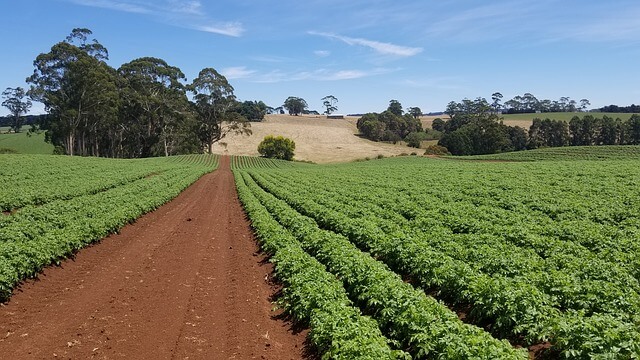

- Irish Around Oz job board: the job board has a Farm, Regional & Visa Jobs category, with employers who want Irish workers.
- Facebook groups: the Irish Around Oz Jobs group gets regional work most weeks, and there’s nearly always someone asking about it in my other groups.
- Workforce Australia: Home Affairs points to the government’s Workforce Australia jobs board for harvest work.
- State harvest pages: Agriculture Victoria and Tasmania show where and when the work is.
- Gumtree: worth a look, but hundreds of backpackers are doing the same. As a test I once put up an ad about this guide, and within 2 to 3 days we had over 20 CVs from people on autopilot, not even reading it.
- Working hostels: some hostels in farm towns help guests find farm work. You can still choose where you live, so be wary of paying upfront for a bed before you have a job.
Before you travel, get the job, the pay rate and the accommodation confirmed in writing.
Ignore old guides pointing to the Harvest Trail website or phone line. The government’s Harvest Trail Services and Harvest Trail Information Service contracts ended on 30 June 2024, and the department’s Harvest Trail page is gone. Fair Work’s Working the Harvest Trail tips page is separate, and worth a read.
Best time to go: harvest seasons by state
Seasons move with the weather, so treat these as a guide. They come from the state governments’ own harvest pages.
| Crop and region | Harvest season |
|---|---|
| Mangoes, Queensland (mostly Mareeba, Dimbulah, Bowen and the Burdekin) | Late October in North Queensland to early April in southern areas |
| Cherries, Victoria (North East, Goulburn Valley, Yarra Valley) | November to January |
| Berries, Victoria (Yarra Valley, Mornington Peninsula) | November to April |
| Summer fruit, Victoria (Swan Hill, Goulburn Valley) | November to May |
| Apples and pears, Victoria (Goulburn Valley, Yarra Valley) | January to May |
| Citrus, Victoria (Sunraysia, Swan Hill) | May to September |
| Cherries, Tasmania | December to February |
| Strawberries, Tasmania | October to May |
| Wine grape pruning, Tasmania | June to August |
Tasmania says it has harvest jobs “for nearly 12 months of the year”, and every Tasmanian postcode counts as regional, so it’s a good bet for winter.
Evidence and applying for your second or third visa
What evidence to keep
Home Affairs wants proof covering all the periods you worked. You can include any of these: payslips, Australian bank statements for those dates, your piece rate agreement (showing the rate per piece and how it’s measured), payment summaries or group certificates, tax returns, employer references, and a signed agreement for any lawful pay deductions.
For volunteer recovery work, you need a signed letter from your coordinator or host with your passport number, duties, postcodes and number of days.
What about Form 1263? Older guides, this one included, said to get your employer to fill in Form 1263, the employment verification form. It isn’t on the current Home Affairs evidence list and the old link no longer opens, so go with the list above. I’d still take the odd photo at work. It isn’t official evidence, but it helps you match up dates.


How to apply
- Check you’re eligible: under 36 when you apply, you entered Australia on your first visa, and you kept to its conditions.
- Gather your documents: passport, birth certificate showing both parents’ names, and your specified work evidence. Applying from outside Australia? Attach proof of funds (usually about AUD 5,000, plus your fare out) to avoid delays.
- Apply online through ImmiAccount. For natural disaster recovery days, choose the “flood recovery” option, paid or volunteer, under Employment type.
- Pay the AUD 1,000 fee. Nothing is processed until you pay.
- Note your Transaction Reference Number (TRN).
Where you are matters. Apply in Australia and you must be in Australia when it’s granted. Apply outside and you must be outside. Planning to leave Australia? Sort the timing first. If you apply in Australia while your first visa is valid, a bridging visa keeps you here if it runs out before a decision.
Timing. Home Affairs expects the average processing time to be around three months, and says not to book flights until your visa is granted. If it’s granted while you’re in Australia on your first visa or its bridging visa, the second visa runs for up to 12 months from when your first one expired. Granted outside Australia, you get 12 months from arrival.
Then the email lands saying your visa is granted. One of the best feelings ever. Check your conditions on VEVO. If it’s refused, Home Affairs tells you why and whether you can seek a review.
Announced, not law yet: the ballot
On 17 September 2026 the Home Affairs Minister announced a plan to move second and third Working Holiday visas to a ballot. It’s announced, not law yet.
- Second visa: 45,000 places. The minister said 57,000 people qualified last year.
- Third visa: 5,000 places, against 31,000 who qualified last year.
- You’d still need your specified work: the 88 days and 6 months stay the same, but they’d get you into the draw, not a guaranteed visa.
- No start date: nothing has been published on when or how it would run, and the Home Affairs Working Holiday pages don’t mention it.
- For now: the current rules apply. Finish your days and you’re eligible to apply.
Read what the ballot means, and look at the options to stay in Australia longer early.
Travel insurance for farm work
Home Affairs strongly recommends health insurance on a Working Holiday visa and says you’re personally liable for your healthcare costs in Australia. Farm and site work is where people get hurt, so check your policy actually covers manual work.
With True Traveller, farm work needs the Adventure Pack. Its “Permitted Manual Work” covers general farm work and fruit picking, including driving tractors if you hold any licence you need. My full comparison is in the travel insurance guide.
Support for the Irish in Queensland
The Irish Australian Support Association of Queensland (IASAQ), 5 Abingdon Street, Woolloongabba. Phone 0432 087 328, email [email protected], or visit iasaq.com.au. New to Queensland? Read our Irish in Brisbane and the Gold Coast guide.
Regional work FAQ
What is regional work in Australia?
Paid work in certain industries and areas that qualifies you for another Working Holiday visa. Home Affairs calls it specified work: 88 days for a second 417, 179 days for a third.
What counts as regional work?
Farm work, fishing and pearling, tree farming and felling, mining and construction in regional postcodes, plus hospitality in Northern or Remote and Very Remote Australia and disaster recovery in declared areas.
Do you have to do regional work in Australia?
Only if you want a second or third Working Holiday visa on your Irish passport. You don’t need it for your first year.
How do I count my 88 days?
Count calendar days, including weekends, across periods of full-time work. Part-time counts in proportion, and you can’t finish in under 3 calendar months.
Does FIFO count as regional work?
Home Affairs doesn’t mention FIFO by name. It goes by the industry and the postcode where the work takes place, so a mining or construction job at a regional site can count.
How do I find regional work?
Try the Irish Around Oz job board and Jobs group, Workforce Australia and the state harvest pages. Start early and never pay for a job.
How much do you get paid for regional work?
From 1 July 2026, at least $32.18 an hour for a Level 1 casual under the Horticulture Award, and pieceworkers are guaranteed that rate for the hours they work. Without an award, the National Minimum Wage is $26.44 an hour.
Is the second year visa going to a ballot?
Announced, not law yet. The 17 September 2026 plan has 45,000 second-year and 5,000 third-year places, and you’d still need your specified work. There’s no start date, so the current rules apply.
Does volunteering or WWOOFing count?
Only volunteer bushfire or natural disaster recovery work in declared areas. Unpaid WWOOFing doesn’t count.
Join the groups
All of my Facebook groups are listed here. Ask about a farm before you go and you’ll usually find someone who has worked there.
- Need a bed for a few nights while you look for that perfect farm? Search places to stay on Booking.com.
- Useful services in Australia, with a few discounts.
- The best way to transfer money to Australia. For international transfers we recommend CurrencyFair.
- Moving to Australia from Ireland: the complete guide.
- On Sunset Travellers: how to migrate to Australia, and a nightmare farm work story.
Want to stay in Australia longer than the working holiday allows? Tell us your situation in a two-minute form and you’ll be matched with a registered migration expert, with a community discount on the consultation.
Best of luck with your regional work

That’s pretty much everything I know about regional work in Australia. If you spot an error or something I could add, email me at [email protected].
I hope you have a great experience. Please comment below if this guide helped, and share it on Facebook or any way you can.
Thanks for reading,
Stephen Palmer
Some links on this page are affiliate links, which means Irish Around Oz may earn a commission at no extra cost to you.
Last checked October 2026.