Search drop bear on Google, then tap or click the little drop bear sign that pops up beside the results, and a bear comes plummeting down your screen. It’s one of Google’s hidden easter eggs, and it’s a nod to Australia’s favourite wind-up: the drop bear, a “killer koala” that every Irish newcomer gets warned about within a week of landing.
Short version
- Go to Google and search drop bear.
- Look for the small drop bear sign near the top of the results.
- Tap or click it and watch the bear drop.
- Drop bears aren’t real. The Australian Museum keeps a tongue-in-cheek page on them anyway.
How to do the Google drop bear trick
- Open Google in your browser or the Google app.
- Type drop bear and search.
- Near the top of the results you’ll see a small drop bear sign. Click or tap it.
- A bear drops down through the search results. Tap it again for another go.
Not working?
Google adds and retires its easter eggs whenever it likes, and they don’t always show in every country, browser or app version. If you don’t see the sign:
- Try google.com.au, or the Google app instead of your browser (or the other way round).
- Update the Google app.
- Try a different browser, or turn off any ad blocker for a minute.
If it still won’t show, Google may have switched it off for now. Check back another day.
What is a drop bear?
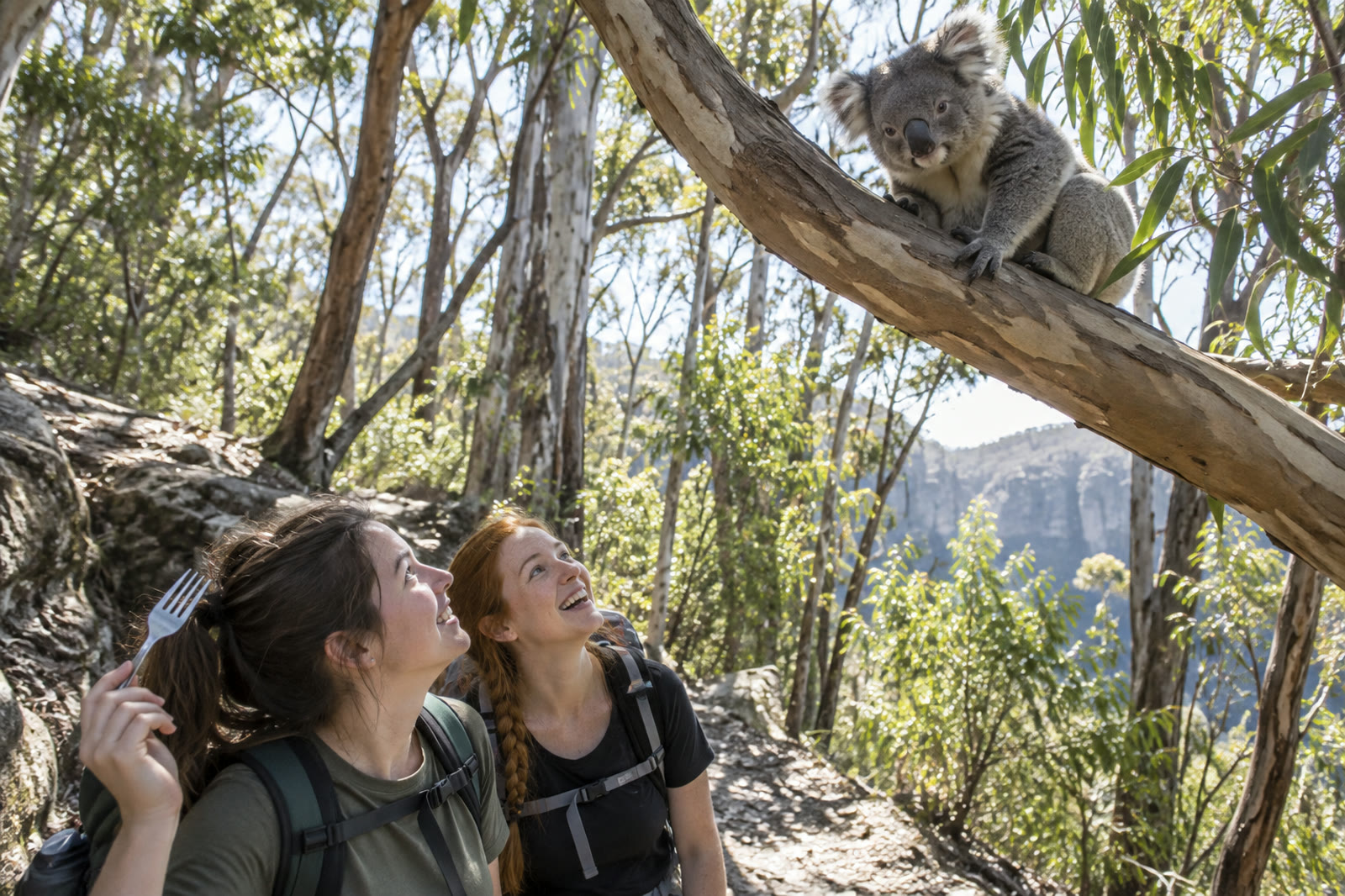
A drop bear is Australia’s best-loved tall tale: a heavy, koala-like predator that lurks up in the gum trees and drops onto unsuspecting bushwalkers. Aussies love telling it to new arrivals with a dead straight face, and the Irish are prime targets.
The Australian Museum plays along with its own drop bear page, complete with a scientific name, Thylarctos plummetus. According to the legend it describes:
- Size: around the size of a leopard or a very large dog, with coarse orange fur and darker mottling, like a koala.
- Where: the dense forests of the Great Dividing Range in south-eastern Australia, and “never encountered near roads or human habitation”.
- Danger: the stories are about bushwalkers being dropped on, with scratches and the odd bite, and no stories of anyone being killed.
- Repellents: forks in your hair, or Vegemite or toothpaste behind your ears. As the museum dryly puts it, “There is no evidence to suggest that any such repellents work.”
The real animal behind the joke
The museum also points out that drop bears may be a myth, but it holds the remains of an eerily similar creature: Thylacoleo carnifex, the marsupial lion, the largest carnivorous marsupial on record and twice the weight of an average human. Thankfully, that one’s been extinct for a very long time.
Surviving your first drop bear wind-up
When a workmate starts warning you about drop bears, play along. Ask if Vegemite works better than toothpaste. Wonder out loud if you should bring a fork to the Blue Mountains. You’ll be one of them in no time. Then get your own back with a few Irish words Australians don’t understand.
The Australian wildlife that’s actually worth knowing about
Drop bears won’t get you, but a few real things are worth a read before you head into the bush or the surf:
- Our guide to dangerous spiders in Australia, and what to do if you’re bitten.
- Beach safety in Australia: rips, flags and the sun.
- Everything else you’ll want to know in your first weeks, in our moving to Australia checklist.
Been warned about drop bears yet? Tell us the best wind-up you’ve heard in your local Irish group.
FAQ
How do you make the bear fall on Google?
Search “drop bear” on Google, then click or tap the small drop bear sign near the top of the results. A bear drops down the page.
Why isn’t the Google drop bear working?
Google turns its easter eggs on and off, and they don’t always appear in every country, browser or app version. Try the Google app or google.com.au, update the app, or try again another day.
Are drop bears real?
No. Drop bears are an Australian tall tale told to visitors. The Australian Museum’s page on them is tongue in cheek.
What do Australians say keeps drop bears away?
The legend says forks in your hair, or Vegemite or toothpaste behind your ears. The Australian Museum notes there’s no evidence any of them work, which is fair enough for an animal that doesn’t exist.